Personal debt can affect more than your finances—it can also impact your ability to grow your business. Whether you’re applying for financing, leasing commercial space, or negotiating with suppliers, your personal credit often plays an important role.
Understanding the differences between debt consolidation, consumer proposals, and bankruptcy can help you choose the right solution while protecting your business’s long-term financial health. Let’s dive in!
Which Debt Relief Option Is Best for Business Owners?
The right debt solution depends on the amount you owe, your cash flow, and your long-term financial goals.
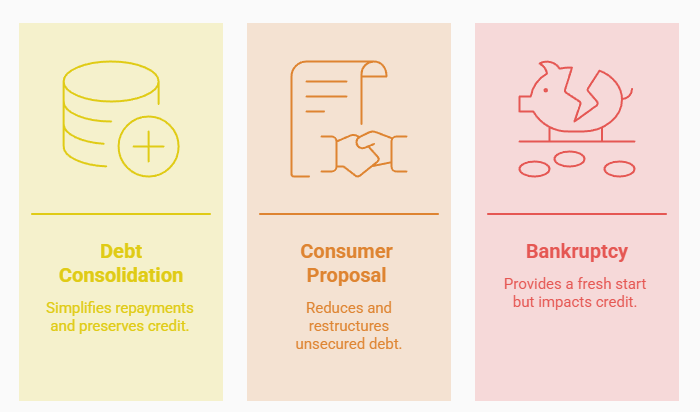
- Debt consolidation is best if your debt is manageable and you want to simplify repayments while preserving your credit.
- A consumer proposal allows you to reduce and restructure unsecured debt while avoiding bankruptcy.
- Bankruptcy provides a fresh financial start but has the greatest impact on your credit and future borrowing ability.
Debt decisions don’t just affect your personal finances—they can also influence your ability to obtain financing, negotiate supplier terms, and grow your business. Having a review session with us can help you understand the financial and tax implications before choosing the right path.
Debt Consolidation: Simplify Your Debt Without Severely Impacting Your Business
What Is Debt Consolidation?
Debt consolidation involves combining multiple personal debts into a single loan with a lower interest rate or more manageable monthly payments. For small business owners, consolidating debt can help simplify your financial picture and potentially improve your personal credit over time—an important factor if you’ve personally guaranteed business loans or leases.
How Debt Consolidation Affects Your Business
- Personal Credit Impact:
- By converting several payments into one, timely payments on your consolidation loan can lead to an improved credit score over time.
- A stronger personal credit profile benefits your business, especially if your business finances are tied to your personal credit.
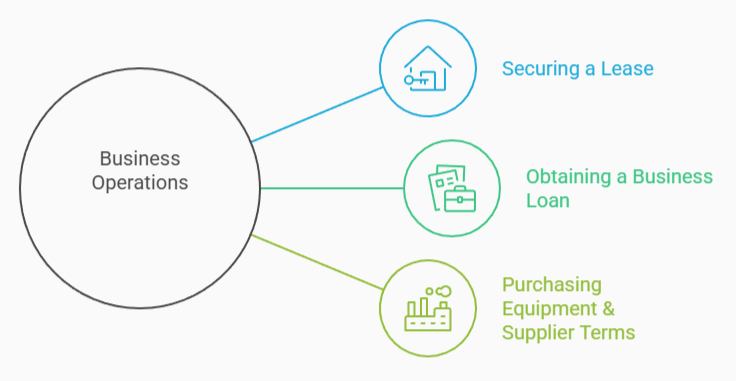
- Business Operations:
- Securing a Lease: A stable personal credit record makes you a more attractive tenant, which may help when negotiating lease terms.
- Obtaining a Business Loan: Lenders often review personal credit—if you’re a sole proprietor or have provided a personal guarantee, debt consolidation can enhance your chances of getting a loan.
- Purchasing Equipment & Supplier Terms: With a better credit profile, you’re more likely to secure equipment financing and negotiate favorable terms with suppliers, as both lenders and suppliers consider your overall financial stability.
Considerations
- Debt consolidation may require collateral (e.g., using your home or business assets), so be sure to weigh the risks.
- It doesn’t address underlying issues such as cash flow management or overspending, which can affect both personal and business finances.
Consumer Proposal: Restructure Debt With Fewer Long-Term Consequences
What Is a Consumer Proposal?
A consumer proposal is a formal, legal process available in Canada that allows you to negotiate with creditors to pay back only a portion of your debts over a set period. Administered by a Licensed Insolvency Trustee (LIT), a consumer proposal offers an alternative to bankruptcy—helping you avoid asset seizures and retain control of your finances.
How a Consumer Proposal Affects Your Business
- Personal Credit Impact:
- A consumer proposal will appear on your credit report for up to 3 years after completion (or 6 years from filing), which may lower your credit score temporarily.
- Although it marks your credit history, it is generally viewed more favorably than bankruptcy because it demonstrates proactive debt management.
- Business Operations:
- Securing a Lease: Landlords may require additional documentation or higher security deposits if your credit report reflects a consumer proposal. However, showing that you’re working through your debt can help mitigate these concerns.
- Obtaining a Business Loan: Lenders might be cautious about lending when a consumer proposal is on your record. You may need to present a detailed business plan or additional collateral, but the structured repayment plan can eventually restore confidence.
- Purchasing Equipment & Supplier Terms: Suppliers and equipment financiers will scrutinize your credit history. While you may face stricter terms—such as advance payments or tighter credit checks—a solid recovery plan can improve your negotiating position over time.
Considerations
- You must owe between $1,000 and $250,000 (excluding your mortgage) to be eligible for a consumer proposal.
- It’s important to have a clear strategy for rebuilding credit while maintaining the necessary cash flow for your business.
Bankruptcy: A Last Resort With Significant Business Implications
What Is Bankruptcy?
Bankruptcy is a legal process that discharges most unsecured personal debts when repayment is no longer feasible. For small business owners, filing for bankruptcy can provide a fresh start by eliminating overwhelming personal debt—but it also carries severe consequences.
How Bankruptcy Affects Your Business
- Personal Credit Impact:
- Bankruptcy can significantly damage your credit score, remaining on your credit report for up to 7 years (or longer with multiple bankruptcies).
- If you’re a sole proprietor or if your business finances are tied to personal credit, bankruptcy can affect your overall borrowing ability.
- Business Operations:
- Securing a Lease: Landlords are likely to view bankruptcy as a red flag, potentially requiring you to secure a co-signer, provide larger deposits, or meet stricter conditions.
- Obtaining a Business Loan: With a recent bankruptcy on your record, traditional lenders may be reluctant to extend credit. Alternative financing or rebuilding your credit over time may be necessary.
- Purchasing Equipment & Supplier Terms: Equipment financing and supplier credit terms can become more difficult to obtain. Suppliers may demand cash on delivery or shorter payment terms until you rebuild a strong credit profile.
Considerations
- Bankruptcy should be considered only as a last resort due to its long-term negative impact on both personal and business credit.
- Certain debts (e.g., child support, recent student loans, or fines) are not dischargeable, meaning you’ll still be responsible for them post-bankruptcy.
- For business owners who have personally guaranteed loans or operate as sole proprietors, bankruptcy can have far-reaching effects on your business operations.
Making the Right Choice for Your Business
Choosing between debt consolidation, a consumer proposal, or bankruptcy depends on your overall debt level, cash flow, and long-term business objectives:
- Debt Consolidation is generally ideal if your debt is manageable and you’re looking for a way to simplify payments without causing severe disruptions to your personal or business credit.
- A Consumer Proposal strikes a balance by restructuring your debt while protecting your assets. It offers a more moderate credit impact compared to bankruptcy, though you may face tighter lending conditions in the short term.
- Bankruptcy offers a complete discharge of debt but comes with significant consequences that may hinder your ability to secure a lease, obtain loans, or negotiate supplier terms. It should be used only when other options are no longer viable.
Before making any decisions, consult with a Licensed Insolvency Trustee or a financial advisor experienced in both personal and business credit issues. They can help you understand the long-term implications and develop a recovery strategy that minimizes disruption to your business.
Conclusion
Financial challenges don’t necessarily mean the end of your business. Whether debt consolidation, a consumer proposal, or bankruptcy is the right option depends on your financial situation, future plans, and ability to repay your obligations. If personal debt is affecting your business decisions, Purpose CPA can help you evaluate the financial implications and work alongside your legal and insolvency professionals to develop a recovery strategy.
Book a free consultation today to discuss your business finances, cash flow, and long-term planning with an experienced CPA.