
For small business owners in British Columbia, understanding retained earnings and dividends is key to making informed financial decisions while staying compliant with corporate law. These concepts directly impact your ability to reinvest in your business, pay yourself, and maintain financial stability.
Beyond accounting, retained earnings also influence loan approvals, tax planning, and legal compliance under the BC Business Corporations Act (BCBCA). Knowing when dividends can be paid—and when they shouldn’t—can help you avoid costly mistakes.
Can You Pay Dividends Without Retained Earnings in BC?
No. In British Columbia, a company generally cannot pay dividends without sufficient retained earnings and must pass the solvency test under the BC Business Corporations Act. Even with positive retained earnings, dividends cannot be paid if doing so would make the company unable to meet its financial obligations.
What Are Retained Earnings?
Retained earnings represent the portion of a company’s net income that is kept in the business rather than paid out as dividends or owner draws. They accumulate over time and appear in the equity section of the balance sheet.
Why Retained Earnings Matter for Small Businesses
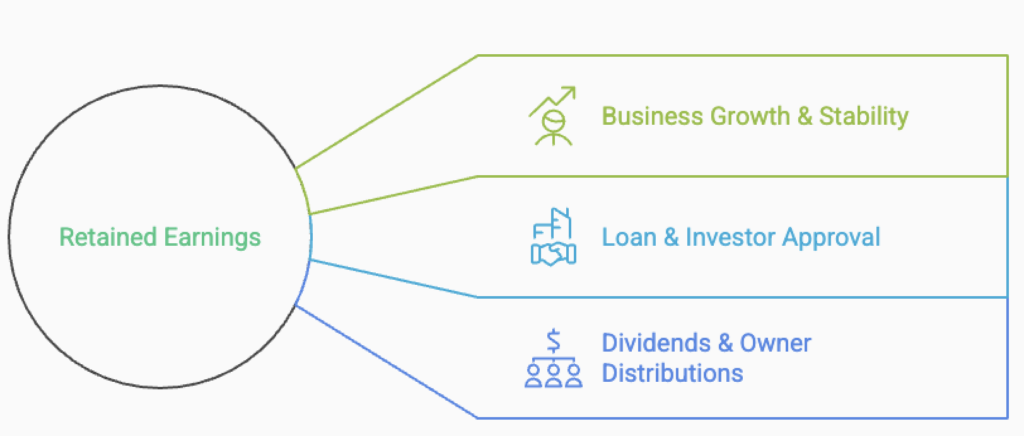
- Business Growth & Stability – More retained earnings mean more money available for reinvestment in operations, expansion, and unexpected expenses. Maintaining accurate financial records is essential to ensure retained earnings are calculated correctly.
- Loan & Investor Approval – Lenders and investors assess retained earnings to determine financial health and repayment ability.
- Dividends & Owner Distributions – A company can only pay dividends if it has sufficient retained earnings and meets solvency requirements.
Debt-to-Equity Ratio & Retained Earnings
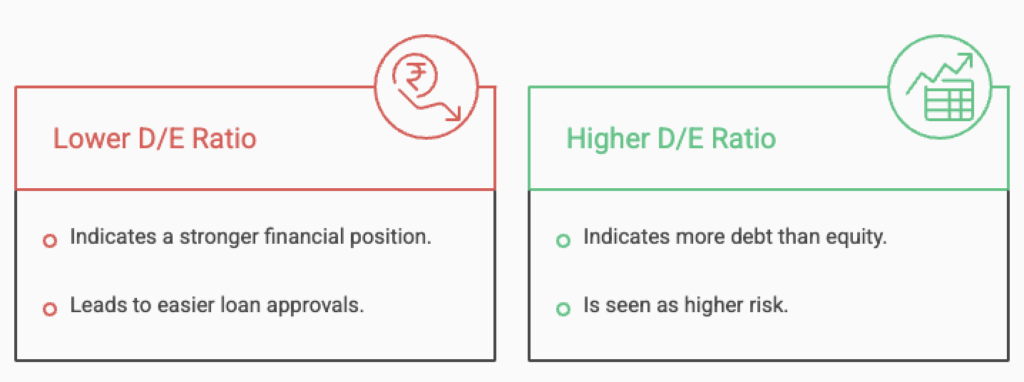
Lenders and investors use the debt-to-equity ratio (D/E) to measure financial risk.
- Lower D/E Ratio → Stronger financial position, easier loan approvals.
- Higher D/E Ratio → More debt than equity, seen as higher risk.
Since retained earnings increase equity, they help reduce the debt-to-equity ratio, making a business more attractive to lenders. Understanding your financial ratios is key to making informed decisions about growth and risk.
BC Corporations Act: Rules on Retained Earnings & Dividends
The BC Business Corporations Act (BCBCA) governs when and how corporations can declare and pay dividends.
The Solvency Test (BCBCA Section 70)
Under the BCBCA, dividends can only be paid if the corporation passes the solvency test:
- The company must be able to pay its debts as they become due.
- The company’s assets must be greater than its liabilities, including any proposed dividend payments.
Even if a company has positive retained earnings, it cannot pay dividends if doing so would make it insolvent.
When Can a Business Pay Dividends?
- Allowed: Positive retained earnings + company passes the solvency test.
- Not Allowed: Negative retained earnings (accumulated deficit) or failing the solvency test.
Director Liability for Improper Dividends
Directors who approve dividends that violate the solvency test can be held personally liable if the company later cannot meet its financial obligations.
To protect themselves, directors should:
- Review retained earnings and solvency before declaring dividends.
- Document financial analysis and decision-making in meeting minutes.
- Ensure the company remains financially stable after dividend payments.
If you’re unsure whether your retained earnings and dividend strategy are structured properly, a professional review can help you avoid compliance issues and make more informed financial decisions.
How to Track Retained Earnings & Dividends in QuickBooks Online
For small business owners using QuickBooks Online (QBO), tracking retained earnings and dividends is simple:
- Retained Earnings Account – QBO automatically tracks retained earnings under the Equity section.
- Dividends/Owner Draws – Create an equity account to track dividend payments or owner withdrawals separately.
- Run Financial Reports – Use the Balance Sheet and Profit & Loss Report to check retained earnings and ensure dividend payments comply with the BCBCA.
Using the right systems can help ensure your financial data is accurate and decision-ready.
Conclusion
Retained earnings and dividends are more than accounting concepts—they directly impact your business’s growth, financial health, and legal compliance. Understanding how they work under the BC Corporations Act helps you make better decisions while avoiding unnecessary risk.
Small mistakes can lead to compliance issues or missed planning opportunities. Book a consultation with us to review your financials and build a strategy that supports growth and compliance.