Selling a business can create a significant capital gain, but the Lifetime Capital Gains Exemption (LCGE) may reduce or eliminate tax on the sale of qualifying property. For Canadian business owners, understanding the eligibility rules early can make a major difference in how a business sale is structured and taxed.
This blog explains who may qualify for the LCGE, which assets are eligible, and what business owners can do years before a sale to improve their chances of maximizing the exemption.
Who Can Claim the Lifetime Capital Gains Exemption?
The LCGE is generally available to Canadian taxpayers who sell qualified small business corporation shares (QSBCS) or qualifying farm and fishing property. However, specific ownership, asset-use, and holding-period requirements must be met.
What Is the Lifetime Capital Gains Exemption?
The LCGE is a tax provision that can reduce or eliminate tax on capital gains from the sale of qualifying property. For business owners, its most common application is the sale of shares in a qualifying Canadian-controlled private corporation.
The exemption can potentially save a significant amount of tax, making it an important consideration when planning a business sale, succession, or retirement.
What Qualifies for the LCGE?
Qualified Small Business Corporation Shares (QSBCS)
The LCGE is most commonly claimed on the sale of shares in a Canadian-controlled private corporation (CCPC) that is an active business. To qualify, the corporation must meet the following criteria:
- The corporation must be primarily engaged in an active business rather than holding investments or generating passive income (such as rental properties or stocks).
- The individual claiming the exemption must have owned the shares for at least 24 months.
- Substantially all (more than 90%) of the corporation’s assets must be used in the active business in Canada.
Qualified Farm and Fishing Property
To qualify for the LCGE, farm and fishing properties must have been actively used in farming or fishing for at least 2 years by the individual or their spouse/common-law partner. This includes land, buildings, machinery, livestock, and fishing boats, quotas, or equipment. The property must be capital property and primarily used in the active farming or fishing business.
What Does “Active Business” Mean for LCGE Purposes?
An active business refers to business operations where the company is actively engaged in providing goods or services, managing operations, and dealing directly with clients or customers. Essentially, the company is generating active income through the operation of a business, not just through investments.
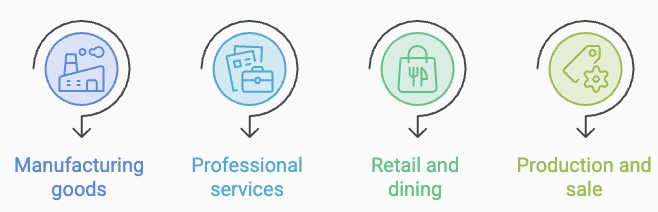
Examples of active business activities include:
- Manufacturing goods for sale.
- Providing consulting or professional services (e.g., accounting, law).
- Operating a retail store or restaurant.
- Engaging in the production and sale of goods or services.
In contrast, businesses that primarily hold and earn income from passive investments (such as real estate rentals, stocks, bonds, or other investments) are generally not considered to be engaging in an active business. For a business to qualify for the LCGE, more than 90% of its assets must be used in active business operations, as outlined below.
How Do Passive Assets Affect LCGE Eligibility?
One of the most important considerations is how much of the corporation’s assets are used in active business operations.
Excess cash, investment portfolios, rental properties, or other passive assets can affect whether shares qualify. Business owners planning to sell should therefore review their corporate assets well before a potential sale, rather than waiting until the transaction is underway.
If you’re considering selling your business in the next few years, reviewing your corporate structure and assets early can help identify potential LCGE issues before they become difficult or costly to fix. A tax planning review can help you understand what changes may be worth considering.
What Is the LCGE Limit?
The LCGE limit is indexed and can change over time. The amount available also depends on the type of qualifying property and the individual’s available exemption.
Because tax rules and exemption amounts can change, business owners should confirm the applicable limit for the year of the planned sale rather than relying on an older figure. This is a section I would update from the original draft rather than keeping the $913,630 figure as-is. Since this is a 2026 blog, the current exemption amount should be verified before publishing.
How Do You Claim the LCGE?
When qualifying shares or property are sold, the capital gain must be reported on the individual’s personal tax return.
The applicable tax forms and schedules should be completed based on the type of property sold and the individual’s circumstances. Because eligibility can depend on the corporation’s history, ownership structure, and asset composition, professional tax advice is recommended before completing the transaction.
How Can Business Owners Maximize the LCGE Before Selling?
If you’re planning to sell or retire within the next 10 years, LCGE planning should start well before the transaction.
- Keep the Business Focused on Active Operations: Review whether corporate assets are being used to generate active business income or are instead producing passive investment income.
- Review Your Corporate Structure: A corporate reorganization may sometimes help separate active business assets from passive investments. These changes need to be planned carefully because restructuring can have significant tax consequences.
- Monitor the Share Ownership Period: The 24-month ownership requirement makes early planning particularly important. Avoid leaving eligibility questions until shortly before a planned sale.
- Review the Timing of the Sale: The timing of a sale can affect the available exemption, tax rates, and overall tax outcome. The decision should be based on your broader retirement and financial goals rather than the LCGE alone.
- Start Tax Planning Early: A business sale can involve far more than the LCGE. Early planning allows you to consider corporate restructuring, compensation, investments, succession, and other tax implications together.

Why Does the LCGE Matter for Business Owners?
The LCGE can provide several important benefits:
- Tax Savings on Business Sale: The LCGE allows you to reduce or eliminate the tax on capital gains when selling your business. This can result in significant tax savings, improving your financial outcome when you exit your business.
- Incentive to Grow Your Business: Knowing that you can eliminate taxes on a portion of the sale proceeds provides an incentive to grow your business and increase its value, ultimately making your exit more profitable.
- Retirement Planning and Wealth Transfer: The LCGE can play a critical role in retirement planning. It allows business owners to sell their business in a tax-efficient manner, preserving more of the sale proceeds. It also helps in transferring ownership to family members or partners without a heavy tax burden.
- Lower Tax Burden Upon Sale: Without the LCGE, the capital gains from the sale of your business would be taxed at a higher rate. By claiming the LCGE, you can significantly reduce or eliminate the taxes due on those gains.
- Facilitates Business Succession: If you’re passing your business on to heirs, the LCGE allows for a tax-efficient transfer, ensuring that your family can inherit the business without the financial burden of large capital gains taxes.
- Tax Planning Opportunities: The LCGE offers business owners the chance to engage in thoughtful tax planning, structuring their business and assets to maximize the tax benefits when it’s time to sell or transfer ownership.
What Should Business Owners Do Before Selling?
If a business sale is still several years away, now is the time to review whether the company is positioned to meet the LCGE requirements.
Consider reviewing:
- Corporate assets
- Passive investments
- Share ownership
- Corporate structure
- Business activities
- Potential succession plans
- Expected sale timeline
The earlier these issues are identified, the more options you may have to address them.
Conclusion
The LCGE can be one of the most valuable tax planning opportunities available to qualifying Canadian business owners. But eligibility isn’t something to assume at the time of sale—it often requires years of planning around share ownership, active business assets, corporate structure, and the timing of the transaction.
Purpose CPA can help you review your corporate structure, assess potential LCGE eligibility, and develop a tax strategy for your eventual sale or succession.