
Starting or operating a business in British Columbia comes with a range of tax obligations at the federal, provincial, and local levels. From GST and PST to payroll taxes and employer requirements, understanding what applies to your business is critical for staying compliant and avoiding penalties.
Whether you’re launching a new venture or scaling an existing one, having a clear picture of your tax responsibilities can help you plan ahead and operate with confidence.
What taxes do businesses in British Columbia need to pay?
Businesses in British Columbia may be subject to federal taxes (like GST and corporate income tax), provincial taxes (such as PST and BC corporate tax), and employer-related obligations including payroll taxes, Employer Health Tax (EHT), and WorkSafeBC premiums. Additional requirements may include municipal business licenses and property taxes depending on your operations.
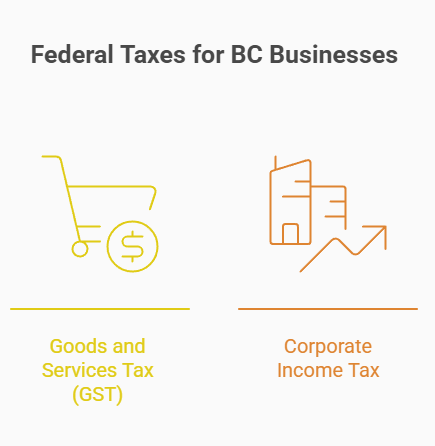
Federal Taxes for BC Businesses
Goods and Services Tax (GST)
- A 5% federal tax on most goods and services sold in Canada.
- Required if annual revenue exceeds $30,000.
- Businesses must register for GST/HST and collect it from customers.
Corporate Income Tax
- Applies to incorporated businesses.
- General rate: 15%; Small business rate: lower rates for taxable income up to $500,000.
Provincial Taxes in British Columbia
Provincial Sales Tax (PST):
- A 7% tax on most goods and services in BC, excluding exempt items.
- Registration required for businesses selling taxable goods or services.
BC Corporate Income Tax:
- Small business rate: 2% for the first $500,000 of active business income.
- General rate: 12% for income exceeding $500,000.
Employer Health Tax (EHT):
- Applicable to businesses with payroll exceeding $500,000 annually.
- Rates range from 0.98% to 1.95%, depending on payroll size.
If you’re unsure which taxes apply to your business or whether you’re fully compliant, a professional review can help identify risks, optimize your tax position, and prevent costly mistakes.
Payroll Taxes and Employer Obligations in BC
Canada Pension Plan (CPP) Contributions:
- Both employers and employees contribute 5.45% (2025 rate).
- Funds retirement, disability, and survivor benefits.
Employment Insurance (EI):
- Employer rate: 2.21% (1.4 times the employee rate of 1.58% in 2025).
- Provides income support for unemployed workers.
WorkSafeBC (Workplace Safety Insurance)
- Mandatory registration for employers.
- Provides coverage for workplace injuries and illnesses.
- Premiums depend on payroll and industry risk level.
Payroll reporting errors or missed remittances are common areas that can trigger CRA attention.
Other Taxes and Considerations
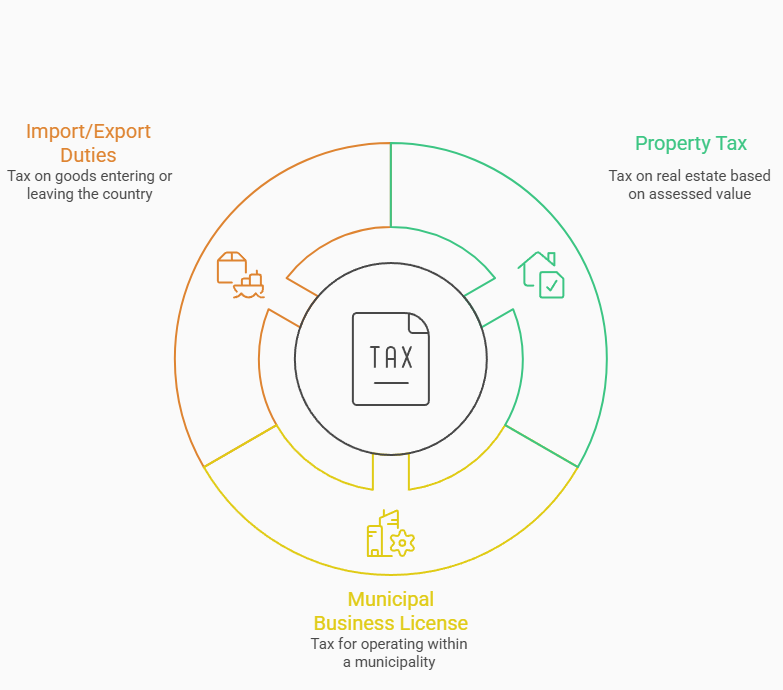
Property Tax:
- Applicable if you own real property in BC.
Municipal Business License Tax:
- A business license may be required, depending on the municipality.
- Fees vary by business type and location.
Import and Export Duties:
- Applicable if your business involves international trade.
Certain business expenses or employer-paid benefits may also create additional tax implications.
Conclusion
Understanding the full scope of taxes in British Columbia—from GST and PST to payroll and employer obligations—is essential for running a compliant and financially sound business. With multiple layers of taxation and reporting requirements, staying informed is key to avoiding surprises.
Not sure if your business is fully compliant with BC tax requirements? Getting clarity early can help you avoid penalties, improve tax efficiency, and stay focused on growing your business. Book a consultation to review your tax obligations and build a strategy tailored to your business.